

From Gas Lamps to Glare Free Spaces: The Remarkable Journey of Workplace Illumination
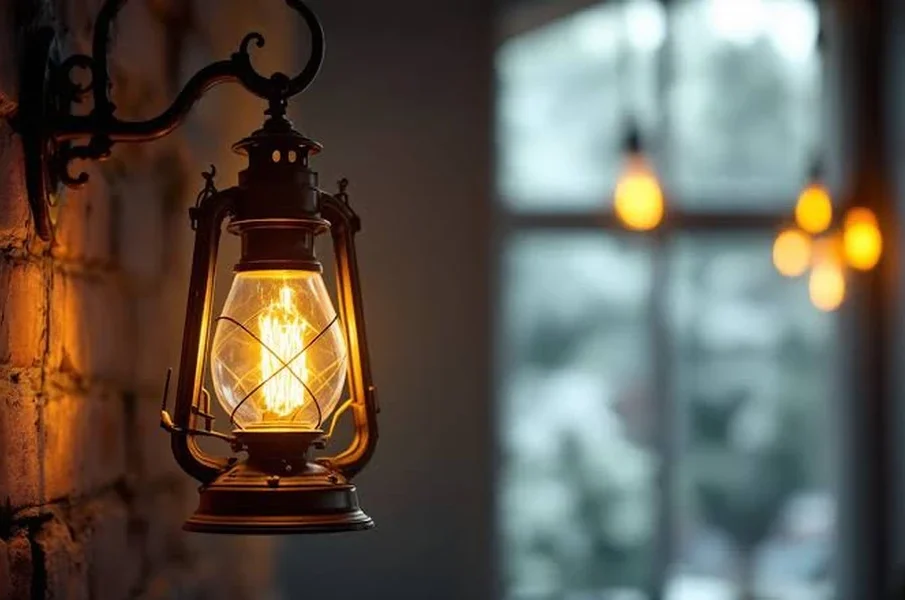
The modern workplace looks very different today. Yet every change tells a deeper story. Now the evolution of lighting reflects changing ideas about comfort and productivity. Early workplaces valued simple visibility above everything else. But modern offices encourage health and creativity together. The history of office lighting also reveals changing workplace culture. So, every new lighting solution shaped daily experience in surprising ways.
The Early Workplace and the Age of Gas Lamps
The earliest offices relied on daylight first. But cloudy weather reduced working comfort. Gas lamps then became a practical solution. The bright flame extended working hours with ease. Yet the harsh glow created constant eye strain. Sometimes the air also became unpleasant indoors. Workers accepted these difficult conditions every day. The workplace reflected authority more than personal comfort. So, lighting served employers before serving employees. The environment remained formal and demanding throughout every season.
Electric Light Changed Professional Expectations
Electric lighting transformed offices with greater consistency. The new systems improved everyday visibility quickly. But brightness alone never solved every challenge. Shadows remained across many working spaces. So, designers slowly explored better placement methods. The workplace became more welcoming over time. Comfortable environments encouraged stronger concentration and teamwork. Sometimes thoughtful illumination improved employee confidence naturally. Companies began valuing practical design decisions more carefully. MOD Lighting recognizes this historical journey while inspiring workplaces that balance visual comfort with lasting elegance.
The Rise of Human Centered Lighting Design
Modern offices embraced thoughtful lighting principles. Now comfort became an important business priority. Designers reduced glare through smarter planning. Soft illumination supported healthier working environments daily. But balanced brightness also encouraged creative thinking. Employees felt less visual fatigue throughout projects. MOD Lighting continues supporting this philosophy with refined lighting collections that combine attractive appearance and dependable everyday performance.
Lighting Became Part of Workplace Culture
Office design gradually reflected changing leadership styles. The physical environment encouraged stronger communication naturally. So open spaces replaced many isolated layouts. Lighting supported collaboration across shared work areas. Gentle brightness welcomed conversations and creative discussions. Workplace design became a symbol of organizational values. MOD Lighting helps create environments where visual harmony strengthens comfort while supporting professional excellence across modern businesses.
A Bright Future Built Through Better Design
Workplace lighting continues evolving with changing expectations. Now sustainability shapes many design decisions carefully. Energy conscious solutions benefit businesses and employees together. But visual wellbeing remains equally important today. Comfortable illumination supports healthier daily routines naturally. The best offices balance beauty with function gracefully.


