

Vacation Rentals Put Plumbing Through a Weekly Stress Test
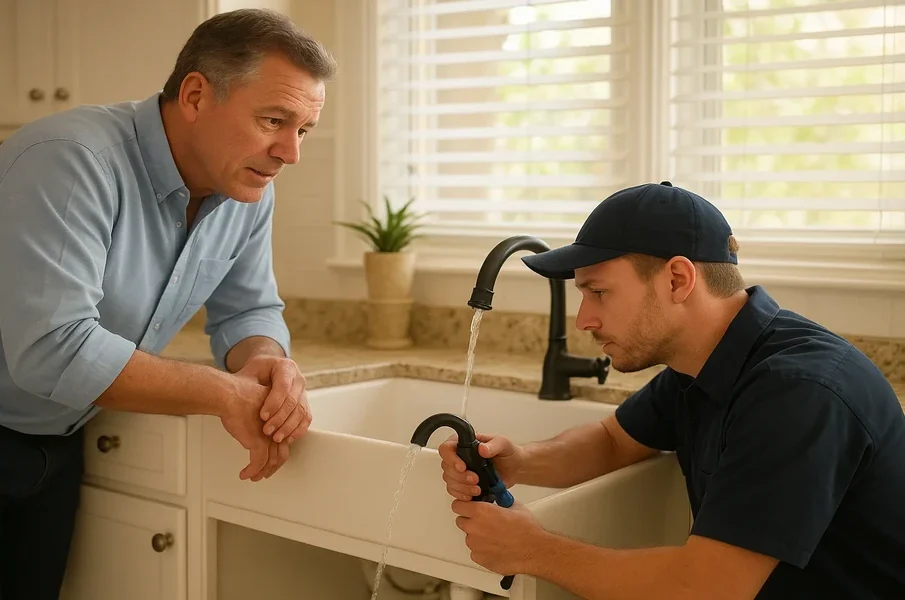
A house that hosts a new group of guests every few days lives a very different life from one where the same family stays all year. Showers run back to back every morning. The dishwasher runs twice a day. Toilets get used by people who have no idea that the hall bath flapper sticks unless you jiggle the handle. Then, between bookings, the house may sit empty with the thermostat turned up and nobody around to notice a slow drip.
This cycle of heavy use followed by empty weeks is hard on pipes, fixtures and drains. Many rental owners first hear about a plumbing problem in a guest review, not from an inspection, and that is the most expensive way to find out. A cracked supply line or a backed-up drain halfway through a stay can bring a refund, a bad rating and an emergency call all at once.
Owners in Freeport, Santa Rosa Beach and the communities along 30A often turn to a licensed local team like Merckle Plumbing for leak detection, drain work and water heater repairs. Even so, a lot of what keeps a rental’s plumbing healthy happens in the weeks between service calls, and much of it comes down to knowing where guest use does its damage.
How Guests Wear Plumbing Differently
Most homes were plumbed with a typical household in mind. A three-bedroom house that sleeps ten on a busy week puts a far bigger load on the water heater, the drains and the sewer or septic connection than its original design expected. Morning showers stack up, and the last person in line gets lukewarm water. The water heater then works without a break to catch up.
Beach homes also deal with sand. It comes in on feet, swimsuits, towels and beach toys. It settles in shower drains, outdoor shower pans and washing machine discharge lines, where it mixes with hair and sunscreen into a heavy sludge that liquid drain cleaners barely touch. Kitchens bring their own problems. Group dinners mean grease, rice and pasta water, and seafood shells going down a disposal that was never meant to grind them.
Then there are the fixtures. Guests don’t know your house. They overtighten faucet handles, flush wipes the box calls “flushable,” and leave a running toilet alone because it isn’t their water bill. None of that is malicious, but it adds up over a season.
The Trouble With Empty Weeks
Vacancy causes its own set of problems, and these are harder to spot because nobody is there to see them start. A toilet that keeps running or a fitting that weeps under a vanity can go on for days. According to the EPA’s WaterSense program, leaks in an average household can waste nearly 10,000 gallons of water a year, and about one in ten homes has leaks that waste 90 gallons or more every day. Its Fix a Leak Week guidance explains how to check toilets, faucets and meters for hidden losses. In a home that sits empty between check-ins, a leak like that can soak into subfloors and cabinets long before anyone sees a stain.
Bathrooms that don’t get used cause another problem. Every drain has a trap that holds a little water to block sewer gas. If a guest bath goes unused for a few weeks in warm weather, that water evaporates. The next family walks in to a sewer smell and assumes the house has a serious problem, when the fix may be as simple as running the tap.
Humidity also matters on the Gulf Coast. Air conditioning condensate lines grow algae when the system runs on a high setback, and a clogged line can overflow its pan onto drywall or ceilings. Many owners now install smart leak sensors and automatic shutoff valves that alert them on their phones, which helps a lot when the house is a long drive away.
A Turnover Check That Takes Minutes
Cleaning crews already go through every room between stays, so a short plumbing walkthrough fits in easily. Here is a routine many property managers follow:
- Flush every toilet and listen. If water keeps running after the tank refills, the flapper or fill valve needs attention.
- Run water in every sink, tub and shower, including rooms the last guests didn’t use, to refill the drain traps.
- Open the cabinets under sinks and run a hand along the cabinet floor to feel for dampness or swelling.
- Look at the base of the water heater and the end of its relief valve discharge pipe for moisture or rust.
- Check that the outdoor shower drains freely and clear out any sand.
- Write down the water meter reading at checkout and again at the next check-in. If the meter moved while nobody was there, something is leaking.
Keep a simple log of what the crew finds. Patterns show up fast, like a toilet that needs a new flapper every spring or a shower that drains slower each month.
Septic Homes Carry Extra Risk
Not every rental is on city sewer. Homes farther inland, toward DeFuniak Springs and the rural parts of the county, often rely on septic systems, and short-term rentals can push those systems past what they were designed for. A tank sized for a family of four can’t handle a dozen guests doing laundry and long showers for a week without strain. The EPA has a page of resources for owners of rental property with septic systems, including printable flyers that tell guests what not to flush, why to spread out laundry and dishwasher loads, and why to keep cars off the drain field.
Owners of septic rentals usually need to pump the tank more often than a full-time household would. Keeping the listed occupancy close to the system’s capacity, not just the number of beds, protects the drain field from early failure.
Planning Repairs Around the Booking Calendar
The best time to deal with plumbing in a rental is before the busy season, not during it. Late fall and winter, when bookings slow on the coast, are a good window to flush the water heater, replace old rubber washing machine hoses with braided steel, swap out worn toilet parts, and have drains cleaned properly instead of just treated. A water heater that is ten years old and already struggling on busy mornings is easier to replace in a quiet January week than during a sold-out week in July.
It also helps to think about capacity honestly. If guest reviews keep mentioning short hot showers, a larger tank, a tankless unit or a second water heater may fix the problem better than any repair could. If the main drain backs up every summer, a camera inspection can tell you whether roots, sand or a sagging line is the real cause.
A rental’s plumbing gets years of use packed into each season. Owners who treat it that way, with regular checks, timely part replacements and repairs scheduled around the calendar, spend less on emergencies and get better reviews.


