

How To Build A Pest-Resistant Home: A Room-By-Room Prevention Plan
How To Build A Pest-Resistant Home: A Room-By-Room Prevention PlanKey Takeaways
- Small gaps, moisture problems, clutter, and accessible food can make a home more attractive to pests.
- A monthly inspection helps homeowners spot early warning signs before activity becomes more difficult to manage.
- Sealing entry points, controlling moisture, and maintaining the yard are practical long-term prevention measures.
- Integrated pest management focuses on inspection, prevention, monitoring, and targeted treatment when necessary.
- Rodents, termites, bed bugs, and stinging insects can require prompt professional attention.
A pest-resistant home is not necessarily a pest-proof home. Insects and wildlife can still appear, especially as weather changes, but a few consistent maintenance habits can make your property far less inviting. Homeowners who need help identifying activity or addressing a persistent issue can turn to Green Pest Services as part of a broader prevention-focused plan.
The goal is to remove the conditions pests need most: food, water, shelter, and easy access. That means paying attention to small structural gaps, damp areas, pantry storage, crowded spaces, and the landscaping immediately around the home. Prevention works best as a routine rather than a one-time cleaning project.
Why Pest Prevention Starts With The Home Itself
Pests often enter homes because they find reliable shelter and resources inside. A narrow opening around a utility pipe, loose weatherstripping beneath a door, torn window screening, or an unsealed vent can become a recurring route for indoor air. Even a clean home can have pest activity when moisture, structural openings, or hidden food sources are available.
Start by viewing the house as a connected system. The exterior, kitchen, bathrooms, storage areas, attic, basement, garage, and yard all affect one another. For example, poor outdoor drainage can create moisture near the foundation, while a slow leak beneath a sink can provide water for pests already inside.
Start With A Quick Exterior Inspection
Walk around the outside of the home at least once each month, and again after severe weather or seasonal yard cleanup. Look closely at the foundation, siding, doors, windows, roofline, and utility penetrations.
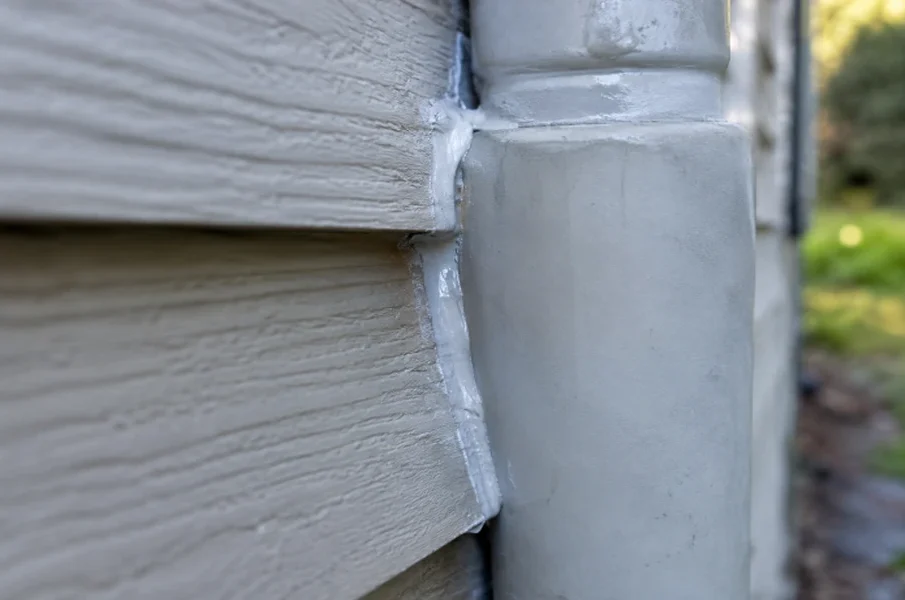
- Check foundation cracks, separated trim, damaged caulk, and gaps around pipes, wires, or cables.
- Inspect door sweeps, garage-door edges, window screens, crawl-space openings, and roof vents.
- Clear leaves and debris from gutters, then confirm downspouts direct water away from the foundation.
- Look for puddles, soft ground, leaking outdoor faucets, or areas where water collects near the house.
- Move firewood, cardboard, yard debris, and stored materials away from exterior walls.
Many steps that improve air sealing also reduce opportunities for insects and rodents to get inside. Practical pest-resistant home guidance emphasizes keeping building components dry, sealing openings around pipes and wiring, and protecting vent openings with appropriate mesh.
Make The Kitchen Less Attractive To Pests
The kitchen is one of the most important rooms in a prevention plan because crumbs, spills, grease, and food packaging can create dependable food sources. Focus on cleaning the overlooked areas where residue builds up, including appliance edges, cabinet corners, pantry shelves, and recycling containers.
- Store flour, cereal, rice, snacks, and pet food in sturdy containers with tight-fitting lids.
- Wipe counters and floors after meals, especially around the stove, toaster, and pet feeding area.
- Empty indoor trash regularly and rinse recycling when food residue accumulates.
- Inspect dry-food packages for tears, holes, webbing, or insects before putting them away.
- Avoid leaving pet food outdoors overnight when possible.
Control Moisture In Bathrooms, Basements, And Laundry Areas
Water is often the missing piece in a pest problem. A dripping faucet, a slow pipe leak, a damp cabinet base, or a humid basement can support activity even when food is limited. Repair leaks promptly and check vulnerable areas regularly, including beneath sinks, behind washing machines, around water heaters, and near floor drains.
Run bathroom exhaust fans during showers and allow damp surfaces to dry. In a persistently humid basement or crawl space, a properly sized dehumidifier may help reduce excess moisture. Outdoors, keep drainage moving away from the foundation so water does not remain against the structure.
Reduce Clutter And Remove Hiding Places
Storage areas can provide quiet shelter for pests when boxes, paper bags, unused furniture, and seasonal items are packed tightly together. Replace weak cardboard boxes with durable plastic bins with secure lids, particularly in garages, attics, sheds, basements, and crawl spaces.
- Keep stored items off the floor when practical.
- Leave a small inspection space between stored belongings and walls.
- Recycle unwanted cardboard instead of keeping it for long-term storage.
- Check stored belongings for droppings, nesting material, chew marks, or insects before bringing them into living areas.
Use The Yard As A First Line Of Defense
Landscaping and outdoor storage influence pest pressure near doors, windows, and foundations. Trim branches, vines, and dense plant growth that touch the house, and keep damp mulch, leaves, and wood from pressing against siding. Store firewood on a raised surface away from the home, and empty containers that hold standing water after rain.
Rather than relying on one plant marketed as a pest deterrent, consider diverse, region-appropriate landscaping. Thoughtful native-planting advice can help homeowners support a healthier yard ecosystem by pairing landscaping choices with exclusion and home maintenance.
Follow A Simple Monthly Prevention Routine
Week One: Check Entry Points
Inspect door sweeps, screens, foundation gaps, vents, and utility openings. Replace worn weather stripping and repair damaged screens before a small issue grows.
Week Two: Review Food Storage
Clean pantry shelves, check dry-food packages, wipe cabinet corners, and confirm that pet food containers remain closed between feedings.
Week Three: Look For Moisture
Check sinks below, around appliances, in basements, and near exterior drainage areas. Address leaks and standing water as soon as they are found.
Week Four: Inspect The Yard And Storage Areas
Clear debris, review firewood placement, remove standing water, and look for droppings, nests, chew marks, damaged screens, or other signs of activity.
Know When A DIY Fix May Not Be Enough
Some situations should not be delayed. Seek qualified help when sightings continue after sanitation and exclusion efforts, when rodents are active in walls or attics, or when there are signs of termites, carpenter ants, bed bugs, large nests, or stinging insects near occupied areas.
Identify the pest before choosing any product, follow label directions exactly, and never mix chemicals. Also avoid sealing an active rodent entry point until you have considered whether an animal may still be inside the structure.
Build A Safer Pest-Prevention Plan
- Identify the pest or the signs it leaves behind.
- Find the food, water, shelter, or entry point supporting the activity.
- Correct the underlying condition through cleaning, repairs, drainage, or exclusion.
- Monitor the area with regular visual checks or appropriate monitoring tools.
- Use targeted control only when prevention alone does not resolve the issue.
- Reinspect after repairs or treatment to confirm the problem is improving.
Conclusion
A pest-resistant home does not depend on constant spraying or major remodeling. It starts with practical habits: seal openings, control moisture, store food carefully, reduce clutter, maintain the yard, and watch for early signs. A short monthly routine can help prevent manageable problems from becoming stressful and expensive ones.


