

Designing for the Site: What Makes a Luxury Home Work in Los Angeles?
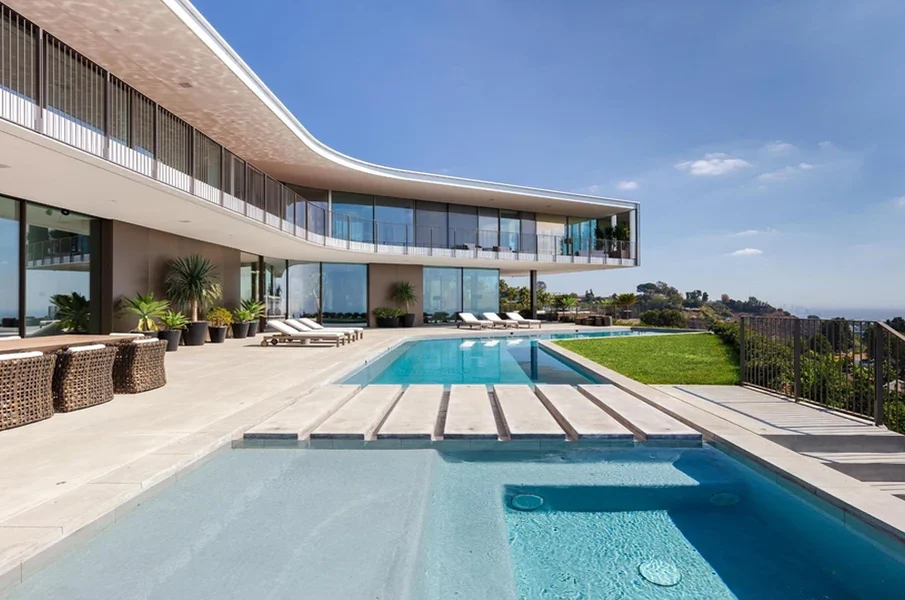
Luxury residential architecture is about more than impressive facades, expansive interiors, or expensive materials. The most successful homes respond thoughtfully to their surroundings while supporting the people who live in them.
In Los Angeles, residential design presents distinctive opportunities and challenges. Hillside properties, varied neighborhoods, abundant sunshine, and the desire for indoor-outdoor living all influence how homes are planned and experienced.
Creating a sophisticated residence requires balancing visual appeal with practical considerations. Understanding these relationships helps homeowners make informed decisions and appreciate what separates thoughtful architecture from design that simply looks impressive.
Understanding the Relationship Between Architecture and Location
Every property has characteristics that influence what can be built and how successfully the finished home will function.
In Los Angeles, steep hillsides, irregularly shaped lots, established neighborhoods, and changing elevations often require carefully considered architectural solutions.
Rather than treating these conditions as obstacles, thoughtful design uses them to establish the home’s character.
A sloping property, for example, may provide opportunities for terraced outdoor areas, elevated living spaces, or carefully positioned windows that frame surrounding views.
However, building on challenging terrain also introduces important structural, drainage, accessibility, and construction considerations.
Before developing a design, homeowners should evaluate several site characteristics:
- Topography: How the land’s natural slope affects building placement, accessibility, and structural requirements.
- Solar orientation: How sunlight moves across the property throughout the day.
- Privacy: How neighboring buildings, streets, and sightlines influence window placement.
- Landscape: Which existing natural features can be preserved or integrated.
- Local requirements: How zoning, setbacks, height limits, and other applicable regulations affect design possibilities.
Addressing these considerations early creates a stronger foundation for architectural decisions.
A successful home should appear connected to its environment rather than imposed upon it.
Balancing Architectural Expression With Everyday Function
Distinctive architecture can create a memorable visual identity, but an exceptional residence must also accommodate everyday routines.
Large windows, dramatic rooflines, open interiors, and sculptural forms can contribute to a home’s character. Their success, however, depends on how effectively they support comfort and usability.
An expansive glass wall might frame a beautiful landscape, but its orientation can also influence glare, heat gain, and privacy.
Similarly, an open-plan living area may create a sense of spaciousness while introducing challenges involving acoustics, storage, and separation between activities.
The relationship between architectural ambition and practical performance is particularly important for custom residential projects.
For homeowners studying luxury architecture in LA, reviewing completed residential projects can offer valuable insight into how architects respond to complex sites while balancing distinctive forms, interior organization, and functional needs.
Such examples are most useful when evaluated beyond their appearance.
Consider how the main entrance connects to living areas, whether circulation feels intuitive, and how private rooms are separated from entertaining spaces.
Architectural quality becomes more meaningful when visual decisions contribute to a comfortable and coherent living environment.
Creating Meaningful Connections Between Indoor and Outdoor Spaces
Los Angeles offers many opportunities to incorporate outdoor living into residential architecture.
Courtyards, shaded terraces, gardens, and outdoor dining areas can extend the home’s usable space while strengthening its relationship with the surrounding landscape.
However, effective indoor-outdoor design requires more than installing large sliding doors.
The transition between interior and exterior environments should feel deliberate.
For example, positioning a terrace directly beside the primary living area can make outdoor dining and entertaining more convenient.
Consistent floor levels, compatible materials, and carefully considered circulation can also help create a cohesive experience.
At the same time, homeowners should consider how outdoor spaces will perform under different conditions.
Shading devices, landscaping, covered seating areas, and thoughtfully placed openings can improve comfort during periods of intense sunshine.
Privacy is another essential factor, especially in neighborhoods where nearby properties overlook gardens or terraces.
Landscape walls, planting, and building orientation can help create sheltered outdoor environments without making them feel enclosed.
The goal is not simply to maximize outdoor access, but to create spaces that people genuinely want to use.
Choosing Materials for Beauty, Durability, and Maintenance
Material selection significantly influences a home’s architectural identity.
Concrete, natural stone, timber, metal, and glass can create contrasting textures and visually distinctive compositions. Yet every material brings practical responsibilities that extend beyond its initial appearance.
Los Angeles homeowners should consider exposure to sunlight, temperature fluctuations, moisture, and site-specific environmental conditions.
Properties in coastal areas may face different maintenance challenges from homes situated farther inland. Hillside or wildfire-exposed locations may require additional attention to construction assemblies and material performance.
A material that looks appealing in photographs may not be appropriate for every property.
For example, exterior timber can introduce warmth and texture, but its maintenance needs depend on the species, finish, detailing, and exposure.
Likewise, large glazed surfaces can create striking visual connections while requiring careful consideration of thermal performance and solar control.
Material decisions should therefore account for:
- Expected durability and maintenance requirements.
- Compatibility with the local environment.
- Performance within the overall building envelope.
- Visual relationships with adjacent materials.
- Long-term repair and replacement considerations.
Considering these factors together helps create homes that retain their architectural character while remaining practical to maintain.
Designing for Flexibility and Long-Term Living
A custom home represents a substantial personal and financial commitment. Its design should accommodate not only present needs but also reasonable changes in household routines.
Families grow, work patterns evolve, and spaces often take on different functions over time.
A flexible room might initially serve as a home office before becoming a guest bedroom, hobby space, or study area.
Similarly, circulation routes, storage arrangements, and accessibility considerations can influence how comfortably residents use their homes as circumstances change.
Flexible design does not necessarily require oversized rooms or complicated floor plans.
Instead, it involves thoughtful proportions, practical connections between spaces, and an understanding of how the home’s functions may evolve.
Homeowners can also benefit from considering mechanical systems, natural lighting, ventilation, and maintenance access during the early design stages.
These elements may receive less attention than finishes or architectural forms, yet they have a substantial influence on everyday comfort.
When long-term usability becomes part of the original design discussion, architecture can provide lasting value beyond its initial visual impact.
Conclusion
Successful luxury residential architecture brings together aesthetics, environmental awareness, practical planning, and individual lifestyle requirements.
In Los Angeles, where properties vary considerably in terrain, exposure, and neighborhood context, thoughtful design begins with understanding the site.
Homeowners who prioritize functional layouts, meaningful outdoor connections, durable materials, and adaptable spaces are better positioned to create residences that remain comfortable and relevant over time.
Ultimately, the most rewarding architectural decisions are those that improve how a home looks, feels, and functions-not only when it is completed, but throughout the years that follow.


