

Roof Repair: How to Spot Problems and Protect Your Home
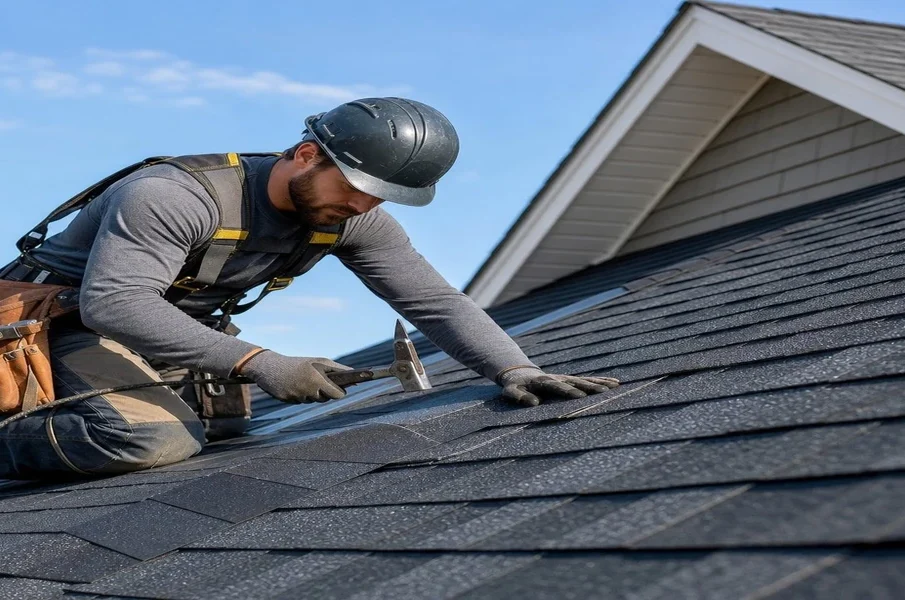
While roofs seldom fail without warning, many signs indicate when a roof requires maintenance or repair. Missing or loose shingles, compromised flashing, and even minor leaks are indicators that your roof may need attention before water reaches your home’s insulation, walls, and framing.
What are the indications that I need roof repair?
There are some roof issues you may be able to spot from the ground. Others may present themselves indoors. After storms, it’s wise to perform a visual inspection of your roof to determine if there are any areas that warrant further investigation by HHH Roofing. Indications you may need roof repair include:
- Shingles that are missing, cracked, torn, curled, or loose.
- Discoloration or discoloration in a patch or pattern.
- Broken flashing around chimneys, vents, and skylights.
- Accumulation of granules in gutters or downspouts.
- Water staining on your ceilings or interior walls.
- Damp insulation or a damp smell in the attic.
- Sags in your roofline.
A single sign of an issue does not mean your roof needs to be completely replaced, but it is important to have it evaluated as soon as possible to avoid the possibility of having to locate where water is getting into the building.
Visible warning signs of roofing damage
Why do small roof leaks cause major damage?
Water from a roof leak does not always enter the building at the site of the hole in the roof, and once the water enters the building, it doesn’t always flow straight down to the floor. Water can travel along rafters, decks, pipes, wires, and other obstructions before making its way inside. If there are water stains on your ceiling, other areas may already be wet.
When water penetrates your roof, it can rot wood, decrease the effectiveness of insulation (recommended site), damage drywall, and cause mold to grow. It can also corrode fasteners and joints in the roof system. An effective roof repair involves addressing the source of the leak while also checking for areas of potential damage elsewhere.
What should a good roof inspection include?
A good roof inspection will go beyond looking for missing shingles. You’ll want to examine the roof drain systems, the roof ventilation, penetrations, and the transitions between different types of roofing. A thorough roof inspection may include:
- An examination of shingles, tiles, panels, or other roofing materials.
- Flashing in roof valleys, walls, vents, and chimneys.
- Seals around pipes and equipment.
- Gutter and downspout condition for clogs or standing water.
- Roof deck for soft, distorted, or stained areas.
- Attic ventilation and evidence of condensation.
An overall inspection of the roof will help determine if the problem is localized or if there are other areas that need repair.
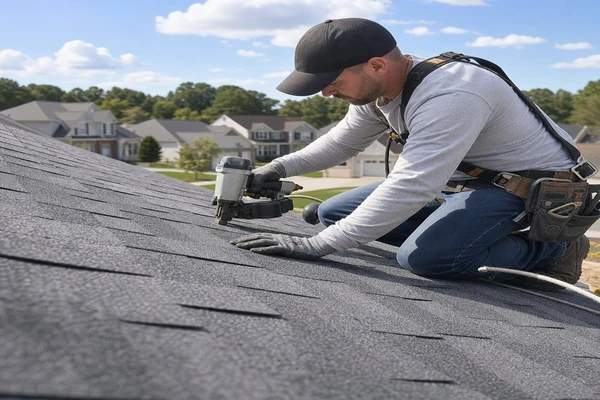
Professional inspection of roofing materials and flashing
Do I need roof repair or a new roof?
Sometimes a leaking roof can be repaired without a complete roof replacement. If the leak has affected a limited area and the remainder of the roof is in good condition and still within its projected lifespan, you may be able to replace a few damaged shingles, reseal a penetration, or install new flashing.
If the damage is widespread, if your roof deck is deteriorating, or if you’ve had multiple leaks in different locations, it may be necessary to consider a full roof replacement. The age of your roof is a factor, but it shouldn’t be the sole determining factor. The condition of your materials, how well your roof was installed, how much damage your roof has suffered in recent years, and how your roof has been maintained are all factors to consider when deciding whether a roof repair or full roof replacement is in order.
Avoid DIY mistakes that can worsen roof leaks
Sealing a hole in your roof from the outside might sound like an easy fix, but it may cause you to push moisture deeper into the roof deck, or it could cause the water to find its way into a different location. Walking on a roof can also put you at risk of falling, or you may break or crack roof tiles.
You can easily photograph stains, check out your attic, and survey the roof from the ground. It is best to leave the roof repairs to professionals who are familiar with working on steep roofs and who have the proper equipment to prevent fall-related injuries – you can see more at www.who.int/news-room, and can assess the damage caused to the roof deck.
Take dated photos of the storm damage and save copies of all inspection reports, estimates, and invoices before any work is done. This documentation may help you file an insurance claim, understand your warranty, and assist future roofers in assessing the damage and repairs.
Stay on top of roof leaks
Keeping gutters clean, having your roof inspected after severe storms, and scheduling regular roof inspections are great ways to keep your roof in good shape. Addressing problems when they first occur will give you more options and save you money. Preventive maintenance will ensure your roof stays dry and your home remains safe.


