

Do a Grain Shed and a Storefront Need the Same Roof?
Lincoln County has fewer than 3,000 residents, and it holds a wider spread of commercial roofs than its size suggests. Downtown Lincoln is listed on the National Register of Historic Places, and many of its buildings are made of native Greenhorn limestone, the local “post rock.” Out past town, machine sheds and livestock barns sit on open ground along the Saline River valley. Shops and small industrial buildings cluster near the highways, and stone churches anchor Sylvan Grove, Barnard and Beverly. Every one of them faces the same spring hail season, the same strong winds and the same swings from July heat to January cold. Their roofs, though, fail in very different ways, and what protects a parapet storefront would be the wrong answer for a pole barn.
Owners across Lincoln, Sylvan Grove and the rest of the county can lean on Uhl Construction and Roofing, a licensed and insured contractor based just south in Wilson that handles Lincoln County Ks. commercial roofing. Its crews plan commercial projects to keep disruption to a business low, and they pair repair and replacement work with detailed storm inspections and support through insurance claims. A free estimate request through the company’s online quote form is an easy way to get the right system matched to your building.
Main street storefronts
Most downtown commercial blocks in Lincoln date to about 1920 or earlier. That usually means a low slope roof hidden behind a stone parapet, often with layers of old built up roofing underneath. The weak points are rarely in the middle of the roof. They sit where the membrane turns up the parapet, at the coping stones on top, and at scuppers that send water through the wall.
Modified bitumen versus TPO. Modified bitumen holds up well to foot traffic and patches easily, which suits a building where tenants access rooftop units often. TPO reflects more summer heat and costs less per square foot. However, its seams and its flashing details at old, uneven stone walls take more skill to get right.
Recovering versus tearing off. A recover saves money when the existing roof is dry. Old storefront roofs, though, often hide wet insulation, so a core sample should come before any decision. Shared walls add a wrinkle: one building’s roof often drains toward or across its neighbor’s, so problems tend to spread from roof to roof.
Owners of buildings that contribute to the historic district have an added option. The Kansas Historical Society’s state historic rehabilitation tax credit program offers a state income tax credit based on qualified rehabilitation costs, and credits are issued only after the completed work has been approved. Roof replacement on a qualifying building can count, but the plan should be reviewed before work begins, not after.
Agricultural and farm buildings
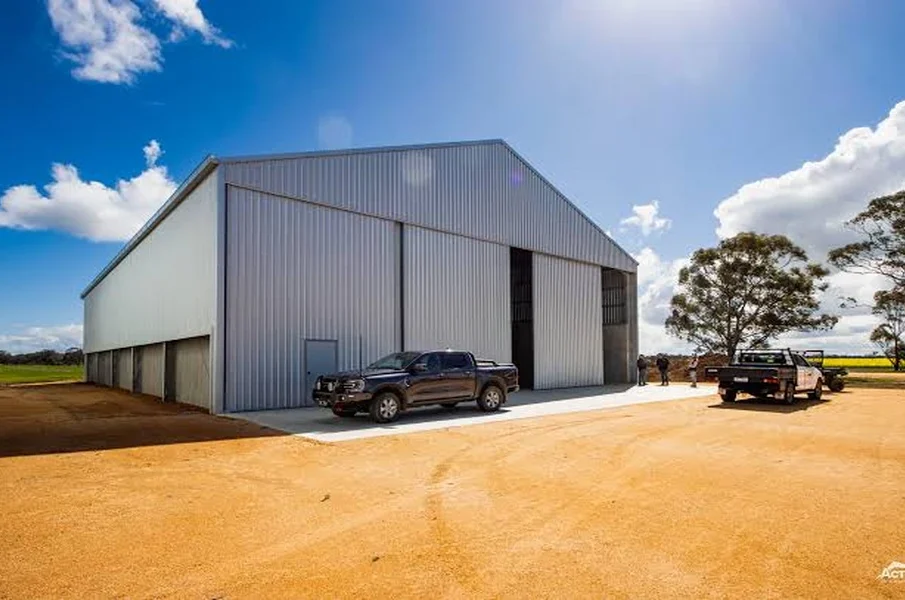
Post frame machine sheds, hay barns and livestock buildings mostly carry ribbed steel panels screwed straight through to the purlins. Hail does damage, but wind and time do more. The rubber washers on exposed fasteners harden after years of sun and freeze cycles, screws loosen as the steel expands and contracts, and leaks start at hundreds of small points at once.
Refastening versus repaneling. Replacing screws with oversized fasteners and fresh washers can add years to sound panels for a fraction of the cost. Panels that are rusted through at the laps or badly dented are better replaced. Standing seam metal with concealed fasteners costs more up front, but it removes the most common leak path entirely.
Open sheds versus enclosed barns. A shed with a large open side or big doors catches wind underneath the roof, which drives uplift at the eaves and gable ends. Enclosed livestock buildings face a different problem: warm, moist air condenses on the underside of cold steel, so ventilation and a vapor barrier matter as much as the panels themselves. Farm property policies treat dented steel differently from one insurer to the next, so it pays to know whether cosmetic hail damage is excluded before the next storm, not after.
Shops, warehouses and small industrial buildings
Low slope metal buildings and membrane roofs over steel decks dominate here, often with rooftop heating and cooling units. Those units are a major hail weak spot. Bent condenser fins and cracked housings show up in claims as often as the roof itself.
A trend worth watching is the shift away from trusting labels alone. The Insurance Institute for Business & Home Safety stopped taking new applications for its high wind and hail designations after its own testing found that some products sold as impact resistant did not perform as expected. For a shop owner, that makes independent test results, such as an FM severe hail rating on metal panels, more useful than packaging claims. Commercial policies have also moved toward actual cash value payouts for older roofs and percentage deductibles for wind and hail. A newer, well documented roof often settles a claim far better than an aging one.
Membrane retrofit versus new metal. Adding insulation and a single ply membrane over an old metal roof stops leaks and cuts summer heat gain. New standing seam keeps the building’s original profile and generally sheds hail with less hidden damage.
Churches, schools and public buildings
These buildings combine steep slopes, towers and stonework with a decision process run by boards and commissions. The county courthouse in Lincoln is a Romanesque limestone building from 1900. Its National Register nomination describes stone trim and a central tower, which are the kinds of details that complicate any reroof. Steeples need lifts and careful flashing where the roof meets stone. Valleys on cross gabled sanctuaries collect hail and debris.
Architectural shingles versus metal or slate. Impact rated shingles fit tighter budgets and match the look of many rural churches. Standing seam metal lasts longer and handles wind better on tall, exposed slopes. Slate or a slate look product suits a historic building where appearance carries weight. Because nonprofits and local governments have no Kansas income tax to offset, the state rehabilitation credits mentioned earlier can be transferred or sold, which can help stretch a congregation’s or a city’s roof budget. Scheduling around worship services, the school year or court calendars should be settled before a single panel comes off.
What ties them together
Across all four building types, the strongest protection is timing and records. An inspection in late winter catches freeze damage before hail season, and a second look in early fall catches summer storm damage before cold weather sets in. Dated photos, invoices and inspection notes give an adjuster a clear before and after record. That makes the difference between a paid claim and an argument about whether damage was already there. The right roof for a grain shed and a stone storefront may share almost nothing, but both benefit from the same habit of regular, documented attention.


