

Grass Cutting Service for Cleaner Outdoor Spaces
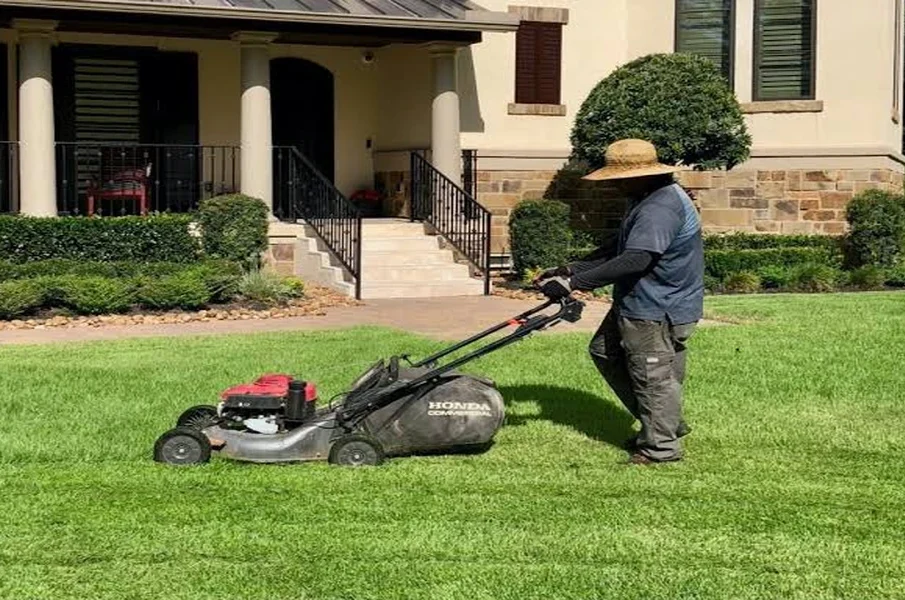
A freshly mown lawn is usually judged by how short the grass is. Cleanliness, though, has little to do with height. An outdoor space looks and stays clean when edges are defined, clippings are dealt with, drains run freely and nothing is left for pests to shelter in. A grass cutting service that only passes a machine over the open ground and leaves does half the job, and the missing half is what visitors notice.
What Clean Actually Means Outdoors
A clean outdoor area has a consistent surface, sharp boundaries between turf and paving, and no debris lying about. Grass does not creep over kerbs or into planting beds. There are no tufts around lamp posts, signboards and tree bases where the mower could not reach. Paths are free of clippings and soil. These details are small individually, but together they are what separates a space that appears managed from one that has merely been cut.
Height and Frequency for Tropical Turf
Warm, wet conditions keep grass growing throughout the year, so there is no dormant season to rely on. Common lawn types in Singapore, such as cow grass and the finer zoysia varieties, each have a height at which they stay dense and resist weeds. Cutting too low exposes soil and invites bare patches. Leaving it too long between visits forces a severe cut that shocks the turf. A steady interval, shortened in the rainy months, gives the most even result.
Edging and Trimming the Awkward Places
Most of the visual effect comes from the margins. Line trimmers are used along walls, fences, kerbs and drain edges, and around every fixed object on the lawn. Care is needed near young trees, because repeated strikes from a trimmer line strip the bark at the base and can kill the tree over time. Crews should also keep trimmer debris away from parked cars and glass. Good edging takes longer than open mowing, and it should be allowed for in the scope.
Dealing With Clippings and Debris
What happens to cut grass matters as much as the cutting. Thick layers of clippings left on the surface smother the turf, turn slimy in the rain and are tracked indoors on shoes. They should be collected or dispersed thinly, and blown or swept off paths and driveways. On sites undergoing landscape construction or other improvement works, clearing loose material is doubly important, since clippings and soil washed into new drains and gravel beds are troublesome to remove later.
Drains, Standing Water and Pests
Outdoor cleanliness is also a public health matter. Clippings and leaves that enter surface drains cause blockages, and blocked drains hold stagnant water in which mosquitoes breed. Overgrown verges give rodents and snakes cover and make litter harder to see and collect. A maintenance visit should therefore include a check of drain gratings and channels near the lawn, with any accumulated material lifted out. It takes minutes and prevents a far more unpleasant problem from developing.
Equipment Suited to the Site
Different areas call for different machines. Ride-on mowers cover open fields quickly but cannot work on steep banks or in tight courtyards, where walk-behind mowers and brush cutters are needed. Blades must be kept sharp, as dull ones tear the leaf and leave a brown, ragged finish. Battery-powered tools are quieter and may be preferred near offices, clinics and bedrooms. A contractor should match equipment to each part of the property instead of using one tool everywhere.
Homes, Estates and Commercial Premises
Requirements vary with the type of property. A private garden may need a short visit every two to three weeks and close attention to beds and borders. Condominiums and commercial buildings have larger areas, stricter appearance standards and rules on working hours and noise. Industrial sites and vacant plots are often maintained mainly to control height and pests. Stating the purpose of the maintenance at the outset allows the provider to propose a suitable frequency and standard.
Weather, Timing and Noise
Rain shapes the schedule more than anything else. Wet grass clumps under the mower, clogs the deck and leaves ruts where machines turn, so visits are often pushed back after a downpour. A provider should have a clear arrangement for catching up instead of simply skipping the cycle. Timing within the day matters too. Early starts suit commercial sites before customers arrive, while residential areas generally expect machinery to run only during reasonable daytime hours, away from rest days where possible.
Looking After Everything Above the Lawn
Grass is only one layer of an outdoor space. Low branches obstruct mowers, heavy shade thins the turf beneath, and leaf fall adds to the debris that must be cleared each visit. Lawn care therefore works best when coordinated with a tree cutting service that lifts and thins crowns at sensible intervals. Having ground and canopy handled to a single plan avoids the common situation where one crew undoes the tidy work of another.
Setting the Standard You Expect
Before engaging a provider, walk the site and decide what clean should mean for it. List the areas to be cut, the edges to be trimmed, how clippings are to be handled and whether drains are included. Agree the frequency and how it will change in wetter months. Ask how missed visits due to rain are made up. After the first two or three visits, inspect the margins and the drains, not the middle of the lawn, and adjust the scope where needed.


