

Smart Home Device Battery Guide
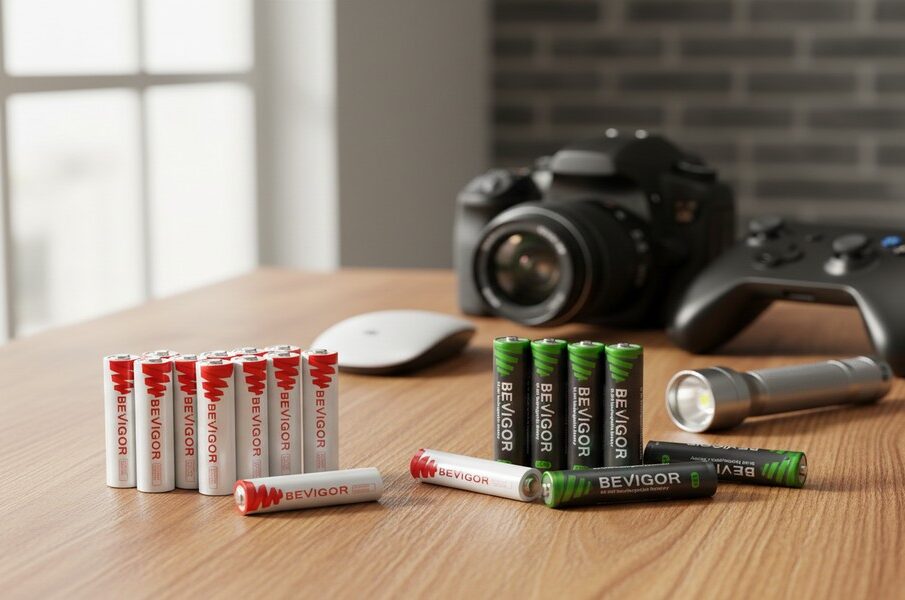
Modern residential automation relies heavily on an unseen infrastructure of localized energy storage. From smart locks guarding entry points to environmental sensors monitoring indoor climate variables, these micro-appliances demand consistent, reliable electricity. Choosing the correct power source determines whether a smart ecosystem operates seamlessly or suffers from frequent offline drops and communication errors.
While standard consumer electronics often function adequately on temporary alkaline cells, automation ecosystems require a more robust architecture. Fluctuating power draw, constant network polling, and wireless communication protocols like Zigbee or Z-Wave impose heavy strains on internal cells.
Why a Lithium Metal Battery is Essential for Modern Smart Infrastructure
Household automated machinery functions differently from a traditional flashlight or standard remote control. Automated locks, motorized blinds, and security keypads remain in a low-power listening state, punctuated by sudden, severe spikes in current demand. When an electronic deadbolt engages, its miniature motor draws a surge of current that can instantly cause cheaper chemistries to collapse in voltage, triggering false low-battery alerts or complete hardware resets.
Opting for a premium lithium metal battery mitigates these systemic dropouts entirely. This specialized chemistry yields an energy density far surpassing standard options, enabling compact cells to store immense reserves of electrical energy. Consequently, smart peripherals can sustain high-current wireless broadcasts and physical motor operations without experiencing debilitating internal voltage drops, even during prolonged periods of heavy data transmission.
The Technical Advantages of an Advanced Lithium Metal Battery Cell
The core advantage of this specific architecture rests on its stable electrochemical framework. Traditional cell designs suffer from linear voltage degradation, meaning their electrical output decays steadily as the cell discharges. This operational decline poses severe challenges for sensitive microcontrollers inside security cameras or motion detectors, which frequently fail or behave erratically once input voltage drops below a strict operating threshold.
By shifting to an advanced lithium metal battery configuration, systems maintain full operational capacity down to the final milliamp-hour. The internal chemistry actively resists rapid passivation layers, allowing for stable electron transit even during extreme thermal variances. This ensures your home security sensors remain functional during freezing winters and sweltering summers alike, delivering year-round resilience.
How Bevigor Lithium Batteries Redefine Automated Device Longevity
When selecting the ideal hardware component, evaluating the raw energy capacity and discharging profile reveals significant performance discrepancies among top-tier brands. Bevigor lithium batteries distinguish themselves by delivering an exceptional power density reaching up to 3500mAh, combined with a sustained, constant 1.5V voltage output and an extraordinary shelf life extending up to 10 years. This specific combination addresses the exact pain points that plague modern smart home maintenance schedules.
This high capacity allows high-drain smart hardware to function continuously without regular human intervention. Instead of climbing ladders every few months to swap out batteries in ceiling-mounted motion sensors or outdoor sirens, homeowners can deploy these cells and experience multi-year reliability. The aforementioned ten-year storage life also allows for bulk purchasing, ensuring that replacement stock remains perfectly preserved and ready for immediate deployment without losing chemical potency over time.
Sustaining Consistent Microcontroller Power via Bevigor Lithium Batteries
The defining characteristic of Bevigor lithium batteries is the unrelenting 1.5-volt output profile. Unlike conventional alternatives that quickly drop to 1.2V or lower under load, this precise engineering maintains a flat discharge curve. For a smart thermostat or smart door handle, this steady power supply ensures that internal Wi-Fi and Bluetooth antennas broadcast at peak signal strength, preventing delayed notifications or disconnected states.
Furthermore, the structural engineering protects internal components against leakage and structural decay. The robust seals and advanced safety vents incorporated into the design prevent corrosive chemical venting, safeguarding expensive smart investments from internal destruction. This level of physical and chemical protection makes them indispensable components for any comprehensive home automation deployment strategy.
Optimizing System Integrity with a Lithium Metal Battery Deployment
Maximizing the efficiency of a domestic connected grid requires looking beyond individual devices to focus on systemic network stability. When a sensor drops offline due to chemical exhaustion, it disrupts the local mesh routing path, forcing neighboring nodes to work harder to redirect data packets. Using a premium lithium metal battery inside peripheral nodes stabilizes the entire network topology by preventing unexpected offline dropouts.
This preventative strategy reduces the time spent diagnosing connectivity errors and performing manual system syncs. By provisioning devices with high-voltage, high-capacity chemistry, each component remains a reliable anchor in the home mesh network. Ultimately, selecting the proper electrochemical power source transforms a temperamental collection of smart gadgets into a dependable, unified, and resilient home infrastructure.


