

Your Shingles Live a Harder Life in the Chattahoochee Valley
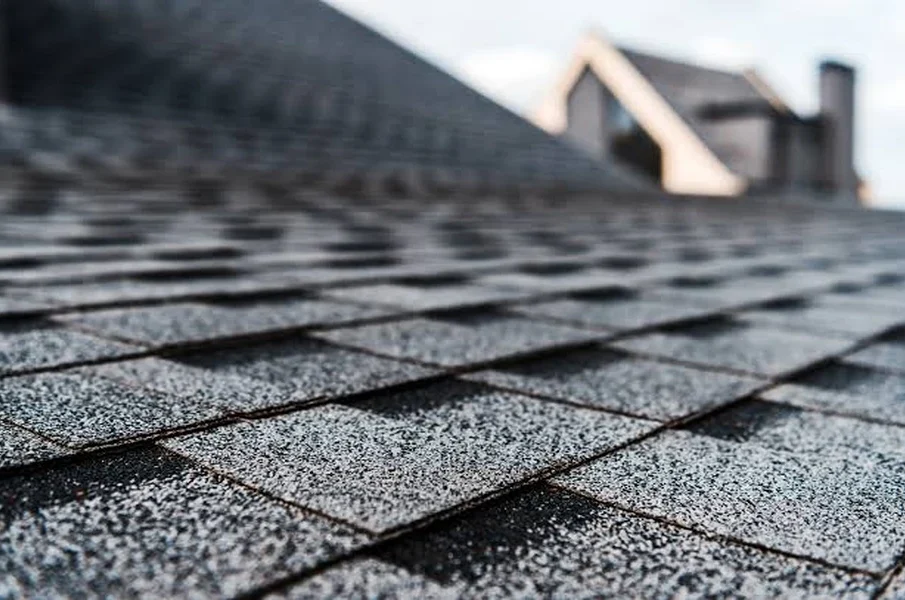
Asphalt shingles are sold with 25, 30 and even 50 year warranties. Those numbers sound reassuring. They also assume a roof that lives a fairly easy life. Along the Alabama and Georgia line, that is rarely the case. Roofs here face spring squall lines, attic heat that can climb well past 130 degrees, air that stays damp for months, and a steady drop of pine straw every fall. It is common for a roof in this region to wear out years before its warranty number suggests.
Local roofers see this pattern up close. The team at Great Roof works out of Phenix City and serves homeowners across Lee, Russell and Muscogee counties with repairs, replacements, inspections and roof cleaning. A lot of that kind of work traces back to slow seasonal stress rather than one dramatic storm.
Thinking about a roof one season at a time makes that stress much easier to spot. Here is how a typical year treats a shingle roof in this part of the South, and what each stretch asks of the people living under it.
Spring Puts Every Shingle Through a Wind Test
March through May is storm season in the Chattahoochee Valley. Squall lines roll in from the west, and many of them bring straight line winds rather than tornadoes. Those winds do most of the routine roof damage here.
You do not need a hurricane to lose shingles. The National Weather Service points out that isolated wind damage becomes possible once winds hold steady at around 40 to 50 mph. Shingles fail first at the edges, along the rakes and at the ridge, because wind lifts those areas hardest.
Each shingle relies on a thin adhesive strip to stay bonded to the one below it. When that bond is weak, a gust can fold a tab back, crease it, and let it drop. The shingle may look fine from the street. It is no longer sealed, though, and the next storm finishes the job.
After a strong spring storm, a quick look from the ground can reveal a lot:
- Pieces of shingle in the yard, often near corners and downspouts
- A straight crease line across a tab, which shows it folded back in the wind
- Ridge caps that sit crooked or look lifted
- Small piles of dark granules at gutter outlets
- New brown rings on ceilings in upstairs rooms
Binoculars work better than a ladder for this. A wet roof after a storm is a dangerous place to stand.
Summer Bakes the Roof From Above and Below
The sun beats down on the shingles all afternoon. At the same time, heat builds in the attic and pushes up against the roof deck. Shingles get cooked from both directions.
Asphalt contains oils that keep it flexible. Constant heat and UV light pull those oils out over time. The shingle turns brittle, the edges begin to curl, and the protective granules start to loosen. Once granules wash away, sunlight reaches the asphalt directly and aging speeds up.
Attic ventilation decides how bad this gets. A roof needs air moving in low at the soffits and out high near the ridge. In many older homes, blown insulation has buried the soffit vents, so hot air has nowhere to go. A homeowner can check this from inside the attic on a sunny day. If the soffit area looks packed with insulation and the space feels like an oven, airflow is likely the problem.
Humidity Never Fully Leaves
Damp air is a constant here, not a season. It shows up on the roof in a few ways.
Dark streaks on north facing slopes usually come from airborne algae that feeds on the limestone filler in shingles. It is mostly a cosmetic issue. Moss is different. It holds water against the roof surface and can lift shingle edges as it grows.
Moisture also works on the wood around the roof. Fascia boards, the lower edge of the deck and the trim under drip edges can soften long before the shingles give out. Pressure washing makes this worse by forcing water under the shingles and stripping granules. A soft wash with a proper cleaning solution is far gentler.
Fall Turns the Valleys Into Pine Straw Dams
Loblolly and longleaf pines are everywhere in this region. Every autumn they shed huge amounts of needles, and those needles collect in roof valleys and gutters.
A valley is where two roof slopes meet, so it carries more water than any other spot. When pine straw packs into it, water backs up and finds its way under the shingle edges. Clogged gutters add to the trouble by spilling water against the fascia and the top of the siding.
Clearing valleys and gutters once or twice in late fall prevents a surprising number of winter leaks. Trimming back branches that hang over the roof also cuts the amount of debris and keeps limbs from scraping shingles in the wind.
Winter Is Mild but Wet
Hard freezes do not last long in this area, but winter brings long stretches of steady rain. That rain tests every weak point at once.
Flashing around chimneys, skylights and walls is a common source of winter leaks. So are the rubber boots that seal around plumbing vent pipes. Those boots dry out and crack in the summer sun, often well before the shingles around them are worn. A cracked pipe boot is a small, cheap repair. Left alone through a rainy winter, it can soak a section of roof decking.
Building the Next Roof for This Climate
Every roof eventually reaches the point where repairs stop making sense. When that day comes, the replacement can be built for the conditions it will actually face.
Wind resistance is the biggest upgrade available. The FORTIFIED Roof standard, developed by the Insurance Institute for Business and Home Safety, calls for a sealed roof deck, ring shank nails, stronger edge details and high wind starter strips. The Alabama Department of Insurance explains how this standard works through its Strengthen Alabama Homes program, which also offers grants to homeowners in certain counties. FORTIFIED homes in Alabama can qualify for discounts on the wind portion of their insurance premium, so it is worth asking an agent before a new roof goes on.
Material choices matter too. Algae resistant shingles carry copper granules that slow streaking. Impact rated shingles stand up better to hail. Proper soffit and ridge ventilation, planned as part of the new installation, protects all of it from summer heat.
A shingle roof in the Chattahoochee Valley will never have an easy life. Paying attention to what each season does to it, and catching the small failures before they spread, is what helps a roof reach the full lifespan it was built for.


